Umash Funeral Services,Kabati
Funeral Homes Seek to Change Perception around Death Care Business
For years, funeral homes have often been associated with grief, fear and the difficult moments surrounding death. But as the funeral services industry becomes increasingly professionalised, players in the sector say the perception of mortuaries is changing, with modern facilities now offering dignified, secure and accessible services to bereaved families.
This was highlighted during the opening of a new branch of Umash Funeral Services in Kabati, Murang’a County on Wednesday, along the Thika-Kenol Highway, where the management said the facility is intended to bring professional funeral services closer to families in the region.
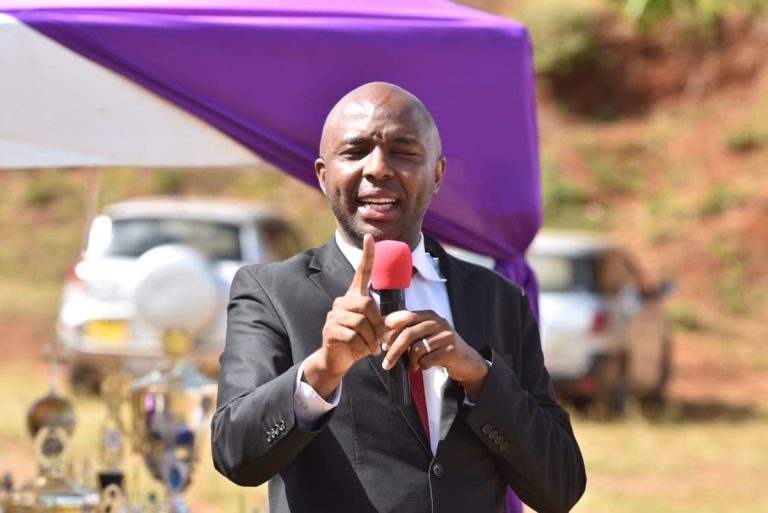
Umash Funeral Services director Njoroge Njoroge said the industry should no longer be viewed as unusual, noting that mortuary science has become a professional field in Kenya.
“Kenya has evolved Courses in mortuary science are now taught in Kenya, so this is just like any other profession. There is nothing unique about our business,” Njoroge said.
He said the Kabati facility had been strategically located to make it easier for families travelling along the busy highway to access funeral services without unnecessary diversions.
“We are actually on the right side of the road, so nobody will have to turn to the other side to access the facility. It is really convenient. We also have ample, secure and safe parking, and the service is great,” he said.
Umash operations manager Peter Muthui said the new facility would help reduce the financial and logistical burden faced by families who have to transport bodies over long distances, particularly between Nairobi and the Central Kenya region.
“We have a bigger chunk of the population living in the Central region If someone is in Nairobi, moving from Nairobi all the way to these Central counties means covering a considerable distance and incurring out-of-pocket costs to manage funeral services and ensure that loved ones get a befitting final resting place,” Muthui said.
He said establishing facilities closer to communities would give families an alternative to travelling to Nairobi while ensuring that the deceased are accorded dignified care.
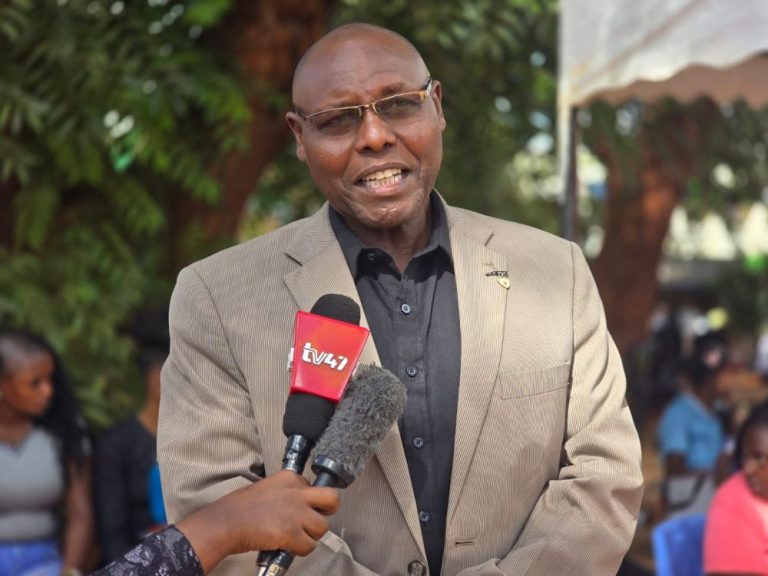
The opening also drew reflections from Rev Nicholas Kahiu, an Anglican priest in the Diocese of Murang’a South, who urged Kenyans to confront the reality of death while treating the bereaved with compassion.
Quoting Hebrews 9:27, Rev Kahiu said death is a reality that everyone must eventually face.“It is appointed for mortals to die once. We must therefore prepare ourselves because one day you will die and one day I will die. It is only that we resist accepting it and are not prepared for that day,” he said.
Rev Kahiu said funeral homes should be viewed as important facilities that help families navigate the difficult period between death and burial.
“We should see this branch as a mainstream service. When people are grieving and under pressure to meet burial timelines, they need services that allow them to take their loved ones home in comfort and dignity,” he said.
He added that modern funeral facilities should ensure that the deceased are properly cared for while families are given time to prepare for burial.
The cleric also noted that the growth of the funeral services industry could create employment opportunities for young people, urging investors to continue opening facilities that meet professional standards.
“This is also a business, and there are opportunities that can come up as it continues to grow. I see an opportunity for young people to get jobs,” Rev Kahiu said.
The Kabati branch is expected to serve families from Murang’a and neighbouring counties, as well as travellers along the Thika-Kenol corridor.
The opening comes amid growing demand for professional funeral services as families increasingly seek facilities that combine accessibility, dignity, security and proper care of the deceased.
For the operators, the expansion is not only about business but also about changing how society views funeral homes — from places associated solely with death and sorrow to professional facilities providing an essential service to families at one of their most difficult moments.
Ends
About The Author