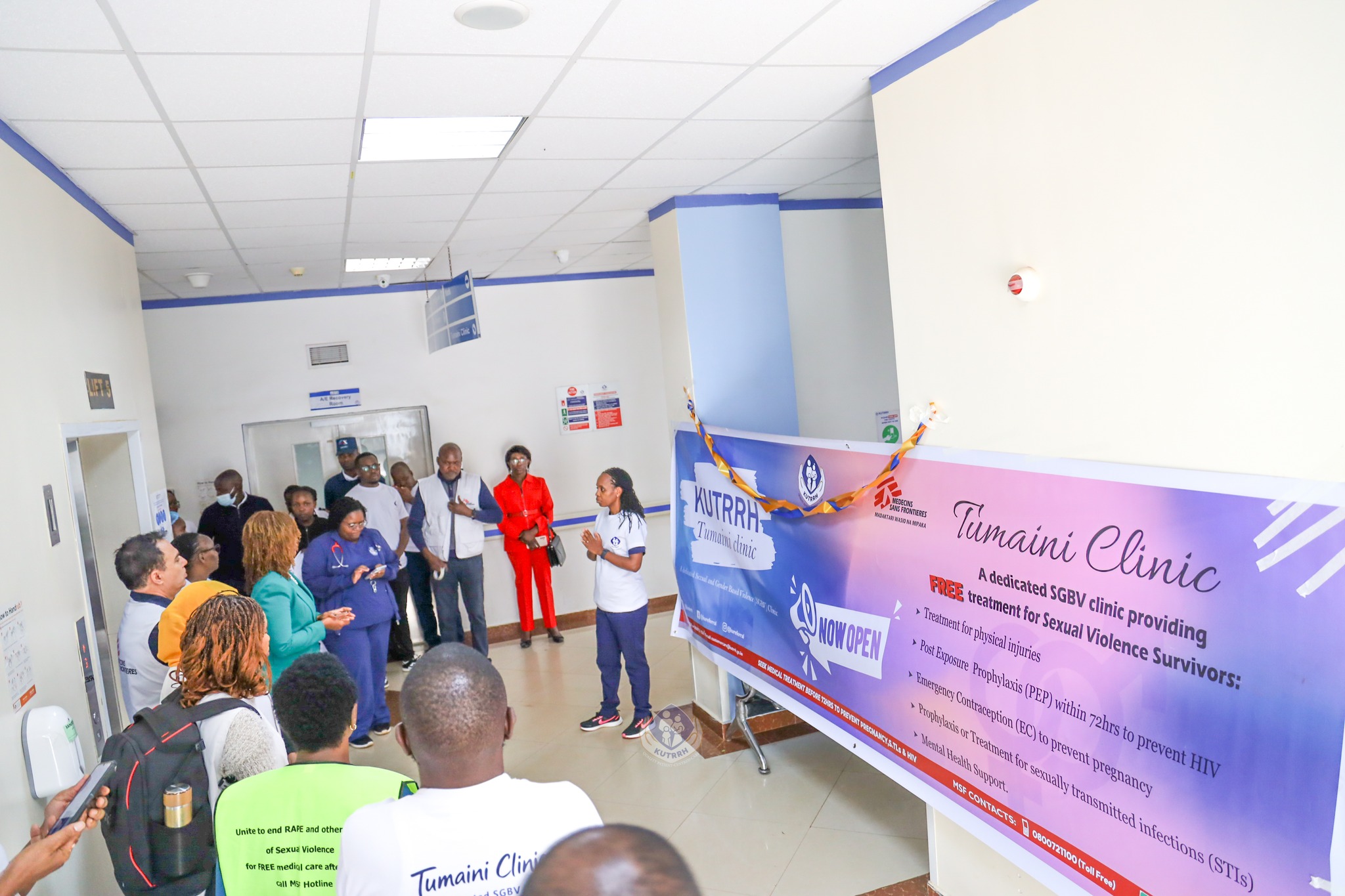
Tumaini SGBV Clinic officially launched at KUTRRH, strengthening survivor‑centred care in partnership with Médecins Sans Frontières/Doctors Without Borders (MSF) Eastern Africa.Learn
Kenyatta University Teaching, Referral & Research Hospital Opens GBV Clinic to Support Survivors.
A new lifeline has been unveiled for survivors of gender‑based violence (GBV) after the Kenyatta University Teaching, Referral & Research Hospital (KUTRRH) opened the Tumaini Clinic, a free, 24‑hour service dedicated to providing comprehensive care for victims.
The clinic, established in partnership with Médecins Sans Frontières (MSF), will serve all GBV survivors, with a special focus on women and children, who remain the most vulnerable groups.
Speaking during the launch, Purity Kibathi, the nurse in charge at KUTRRH, said the facility reaffirms the hospital’s commitment to delivering accessible, compassionate, and high‑quality care to survivors in the surrounding communities.
She noted that sexual violence affects around 10 per cent of women, though the true figure is likely much higher due to stigma and fear of reporting.
Kibathi emphasized the importance of locating the clinic within the neighbourhood, explaining that many residents mistakenly believe KUTRRH is a private hospital.
The new facility, she said, will strengthen relationships with the community and bring hope to those who need it most.
“In Kenya, one out of every three women has experienced violence,” she said. “Nearly three in ten young women report physical or sexual abuse from partners, while nearly 60 per cent of domestic workers have faced violence.”
Kenyatta National hospital Mental health and social support officer Salome Ndolo added that GBV imposes a heavy social and economic burden, costing the country an estimated Sh41 billion annually through health expenses, reduced productivity, and related impacts. Yet despite the staggering numbers, cases remain grossly underreported due to fear, stigma, and policy gaps.
Ndolo stressed the need for stronger support systems and sustained awareness campaigns to curb the growing crisis.
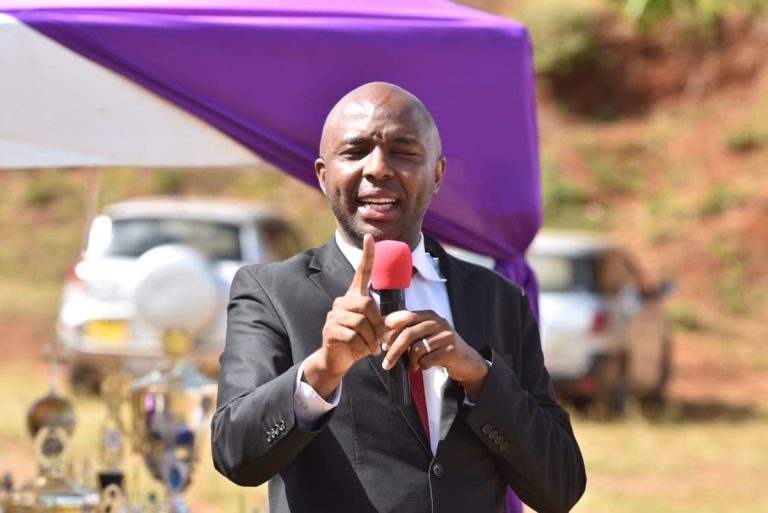
Kahawa West OCS acknowledged that law‑enforcement efforts often stall because communities sometimes protect perpetrators—many of whom are respected individuals. He called for deeper cooperation between police and residents to ensure justice for survivors.
The Ocs said the Tumaini Clinic now stands as a beacon of hope, offering round‑the‑clock medical, psychological, and legal support to survivors who have long suffered in silence.
Ends
About The Author